Work I have anchored here
Direct work with enterprise marketing teams at FMCG, financial services and industrial brands. Plus full-spectrum SEO and AI workflow input alongside a multi-office creative and marketing agency.
Senior SEO consultant work for teams that need technical fixes, content systems and clean reporting - run by one experienced person, not a packaged retainer. For London teams, the value is in making the work specific: where the data comes from, who reviews it and what the first useful version should do.
London teams usually run multi-agency setups with parallel programmes. The work that lands is the work that sequences, not the work that adds more. Most engagements here are second-opinion advisory for enterprise marketing or hands-on diagnostic for an in-house lead who already knows what they need.
Direct work with enterprise marketing teams at FMCG, financial services and industrial brands. Plus full-spectrum SEO and AI workflow input alongside a multi-office creative and marketing agency.
London buyers shortlist three agencies plus one senior independent for a second opinion. That second-opinion slot is where most of my London work sits.
Monthly day on-site for strategy reviews. Two to three day blocks for migration sprints or workshops. Otherwise remote.
Heavy agency saturation - the established names (Builtvisible, Aira, Distilled-era alumni) cover most of the enterprise market. I sit alongside them, not against.
I do the technical audit, write the dev-ready spec, brief the content team in their own language, then report against agreed targets in real numbers.
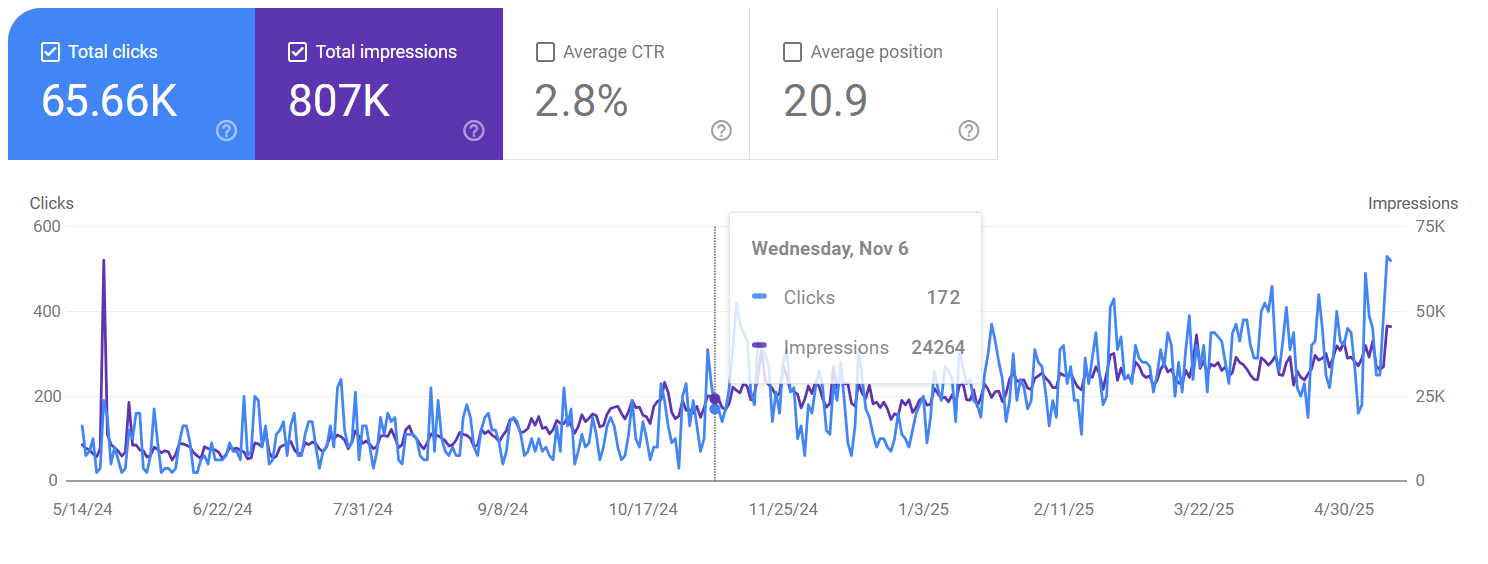
The work is one senior IC consultant, not a packaged retainer with a junior delivering. Technical audits become dev-ready specs. Content briefs match what the SERP actually rewards. Reporting tracks real numbers - rankings, organic traffic, conversions - against targets agreed at the start.
The patterns I see most before the work starts. If two of these sound familiar, the first review call is usually worth the time.
The team has had multiple SEO audits, but the findings never become shipped tickets the dev team actually completes.
Articles get published on a calendar instead of against real SERP intent, so they finish page 3 and stay there.
Hub pages link out generously; money pages have nothing pointing at them. Crawl budget burns on tags and archives.
Monthly reports show traffic up because of a brand spike, not because rankings on the commercial terms moved.
I do hands-on SEO consultant work as one senior IC - no agency markup, no junior delivery. The day rate or retainer buys senior time on your specific problems.
The work covers technical audits with dev-ready tickets, content briefs built from real SERP data, internal link rebalancing toward money pages, migration support and lost-traffic recovery.
Reporting tracks the numbers that move enquiries - commercial-term rankings, organic conversion paths, real revenue - against targets agreed at the start. No vanity metrics, no traffic-only dashboards.
Technical crawl, indexation review, Core Web Vitals in field data, internal link structure, and a gap analysis against the SERP.
Cut the 4,000-issue spreadsheet into the 12 fixes that move rankings and the rest that can wait.
Clear acceptance criteria, before-and-after measurements, no SEO jargon to translate. Briefs the same way for content.
Track ranking deltas, organic traffic and conversions against the targets agreed at the start. Adjust based on shipped evidence.
Two examples of the shape this work takes. Real engagements, anonymised. Not every project looks like these, but the discipline is the same.
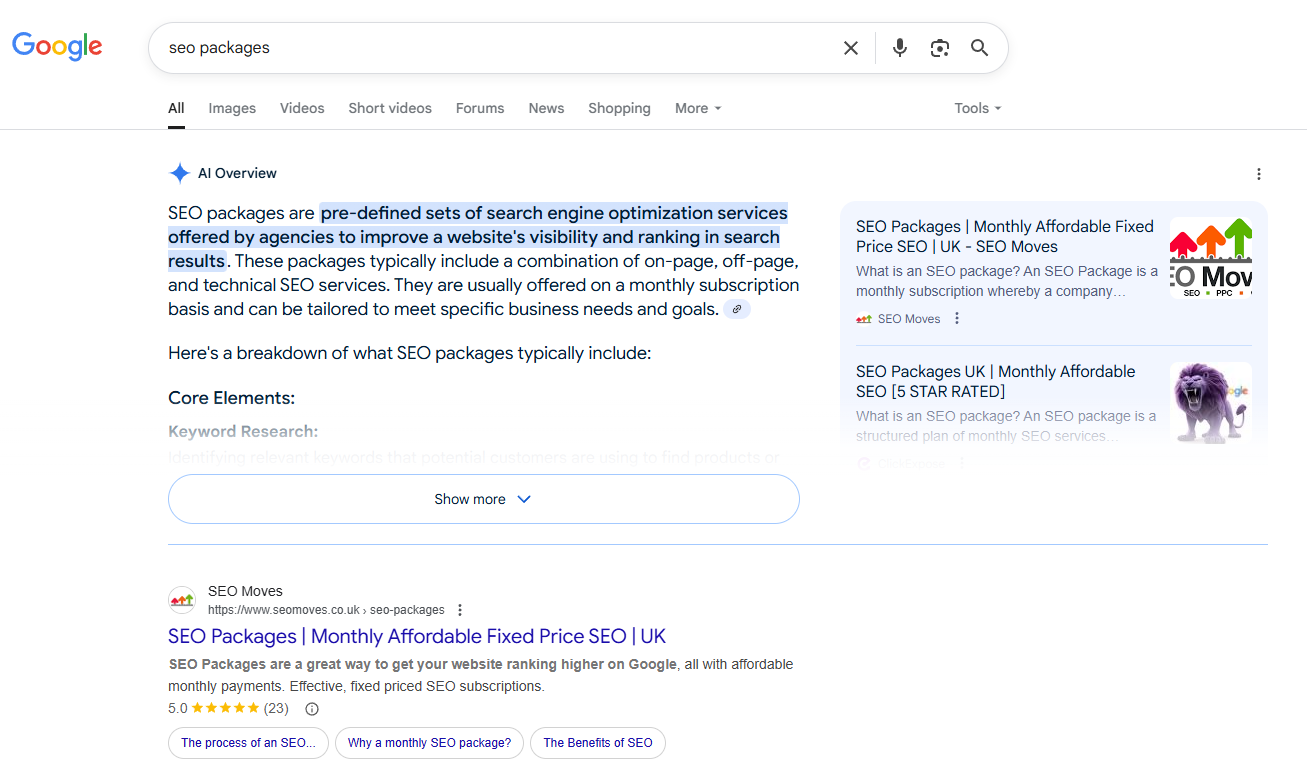
The client had a service site that ranked on page 3 for its primary commercial term. The work was technical first - crawl waste, indexation, internal link rebalancing - then a content rewrite around the actual buyer intent on the SERP.
// outcome Reached position 1 inside eight months. Organic enquiries doubled. Retainer continued for ongoing optimisation.
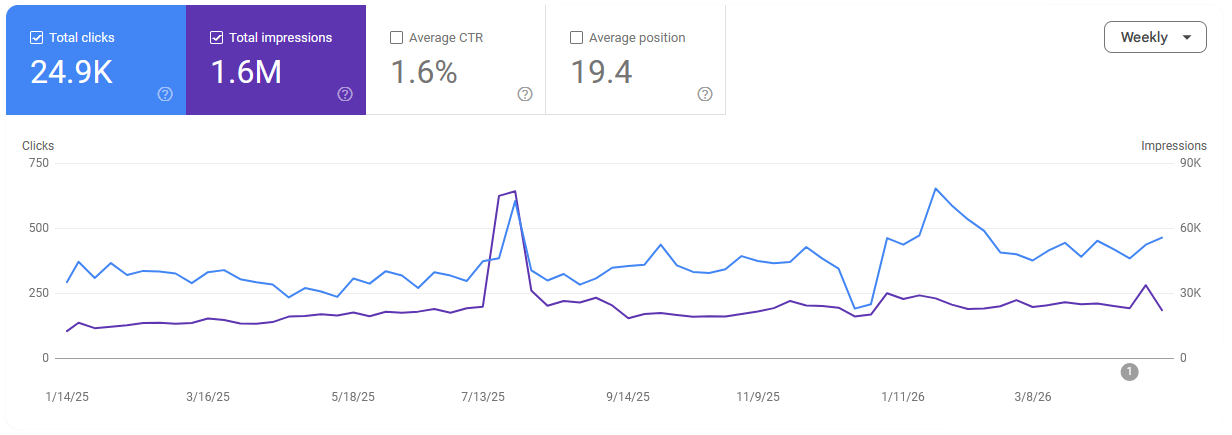
Traffic dropped 40% after a core update. The agency the client was paying said "keep posting". The forensic diff found that thin content templated across hundreds of feature pages was the trigger. The fix removed the templates, consolidated to a smaller set of stronger pages and rebuilt internal links around them.
// outcome Organic traffic recovered to pre-update levels inside 90 days and continued growing.
Book a review call. We will look at the work, the risk and the first sensible step before agreeing anything.
Book a review