Work I have anchored here
Full-spectrum work with the Manchester arm of a multi-office creative and marketing agency, plus regional commercial brands.
AI workflow support for repeated work that should not depend on manual copying, checking and chasing. For Manchester teams, the value is in making the work specific: where the data comes from, who reviews it and what the first useful version should do.
Manchester teams mix commercial ambition with lean delivery. The best engagements pin down what to fix first, document the working rules, then hand a clear operating model to the team that has to run it.
Full-spectrum work with the Manchester arm of a multi-office creative and marketing agency, plus regional commercial brands.
North West buyers tend to be educated. The local agency cluster (Click Consult, Bring Digital and others) means SEO is taken seriously and badly-briefed work gets spotted fast.
Day on-site quarterly or during specific delivery sprints. Otherwise remote with weekly async updates.
Strong NW agency scene means buyers compare to known specialists. The differentiator is senior individual-contributor time, not layered team hours.
I help design narrow, useful automations around real processes such as invoicing, reporting, briefs and content QA.

The first version should be narrow and useful: invoice triage, reporting notes, content QA, lead routing or briefing. The point is fewer repeated checks, not a fragile automation nobody trusts.
The patterns I see most before the work starts. If two of these sound familiar, the first review call is usually worth the time.
People copy, check, chase and reformat the same information every week because the workflow was never mapped.
The first version tries to replace a process instead of improving one narrow, annoying step.
Work breaks when information moves between inboxes, spreadsheets, CRMs, finance tools and people.
The team needs to know what AI can draft, what a person must approve and where errors are likely.
I help find the repeated work that is worth systemising first, then design a narrow workflow around it.
That can mean invoice handling, report preparation, content QA, briefing, lead routing or internal admin.
The goal is useful automation with clear human checkpoints, not a fragile demo that only works once.
Inputs, handoffs, tools, checks, delays and the places where people repeat themselves.
A narrow step such as invoice triage, reporting notes, content QA or lead handling.
Draft logic, approvals, exceptions and human review points before deeper integration.
What runs automatically, what gets checked and how the team improves version two.
Two examples of the shape this work takes. Real engagements, anonymised. Not every project looks like these, but the discipline is the same.
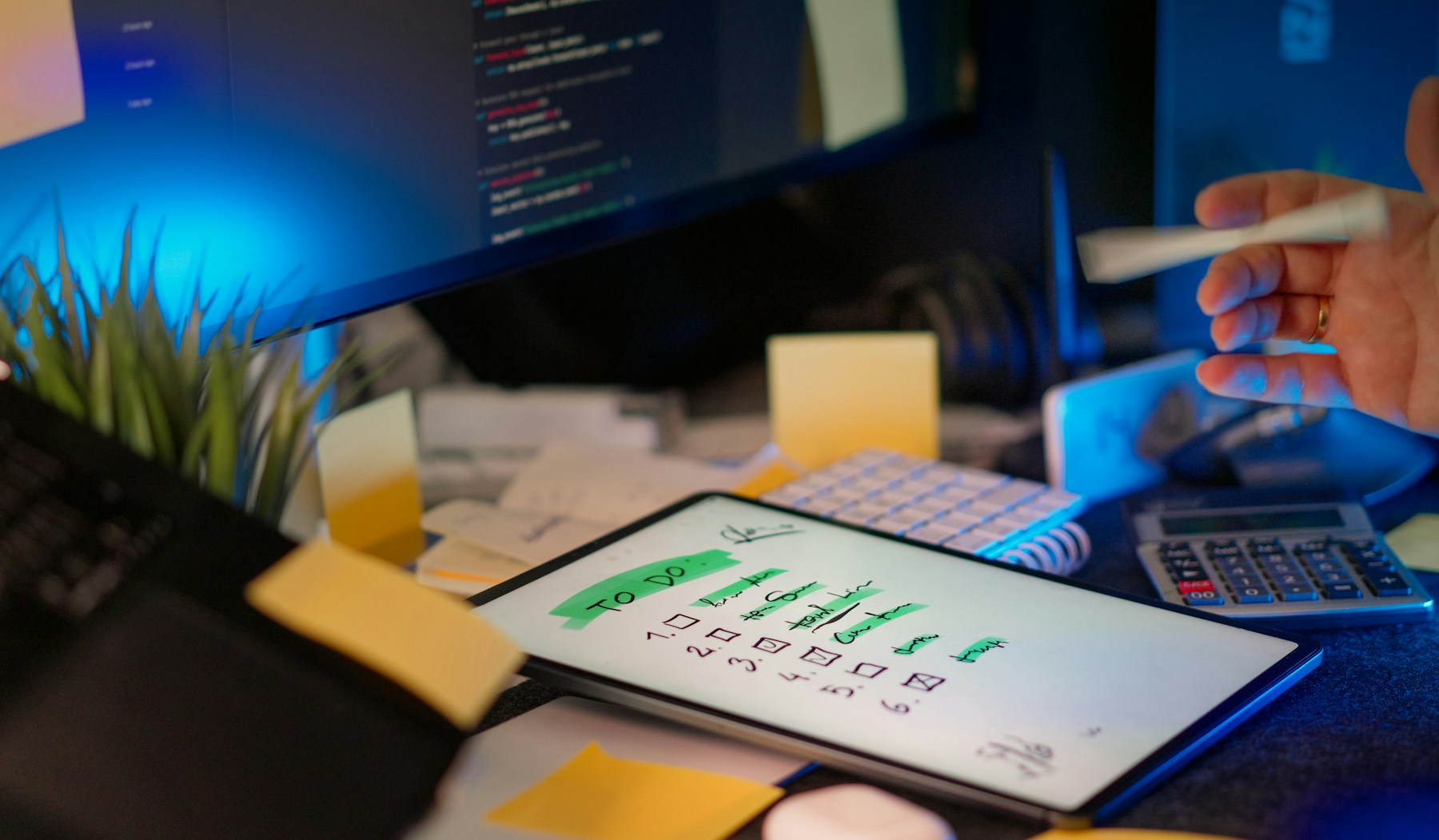
Invoices arrived by email, then someone copied details into finance software and chased missing information. The first version extracted fields, flagged gaps and routed exceptions for review.
// outcome The manual work becomes a controlled queue instead of a daily chase.
The same notes were being copied between tools every week. The project created a narrow reporting workflow that gathered changes, drafted commentary and left final judgement with the team.
// outcome Reporting becomes faster without removing the person who understands the work.
Book a review call. We will look at the work, the risk and the first sensible step before agreeing anything.
Book a review